Door Replacement Cost in Canada (2026 Guide)
A 2026 budget guide to replacing exterior doors in Canada, including entry and patio door ranges, what changes the price, and how to compare quotes.
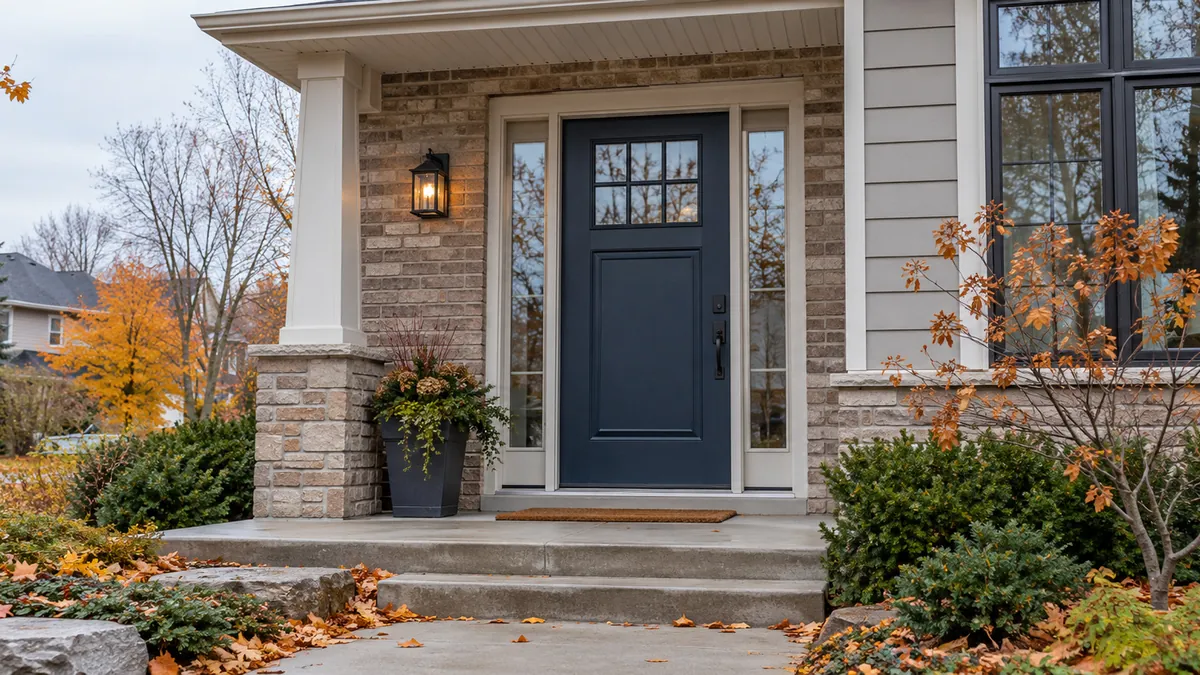
Replacing an exterior door in Canada commonly costs between $1,000 and $4,000 installed for a standard entry door. Sliding or hinged patio doors typically cost more because they are larger and involve more hardware, glass and installation work. Custom sizes, premium materials, glass and structural changes push the price higher.
These are 2026 planning ranges, not quotes. Door, opening, installation method and region all affect price. Leave room for what you cannot see until the old door comes out.
Typical Installed Ranges
| Door type | Typical installed planning range |
|---|---|
| Standard entry door, basic hardware | $1,000 to $2,500 |
| Entry door with glass or premium finish | $1,800 to $4,000 |
| Entry door with one or two sidelights | $2,500 to $6,000+ |
| Sliding patio door | $2,000 to $6,000 |
| Hinged patio door, single or paired | $2,500 to $7,000+ |
| Custom, oversized or architectural unit | $4,000 to $10,000+ |
These ranges assume a straightforward replacement with no major frame, wall or structural repairs. A door that needs a new frame, flashing, trim or interior finishing will cost more. The same door can land low in one home and high in another because opening, access and finishing differ.
How to Read These Ranges
Treat each range as a planning bracket, not a price list. The low end usually means a stock-size door, basic hardware, a sound frame and easy access. The high end means a premium door, added glass, full-frame work or awkward access.
Local quotes may fall outside these brackets. Labour, supplier pricing, disposal and demand move independently. Use the ranges to set expectations, then compare written quotes for the same scope.
Entry Doors vs Patio Doors
An entry door is usually a single slab hung in a frame, with a threshold, weatherstripping, hinges and a lockset. It must provide security, weather resistance and a finished appearance. Entry work is often contained: remove the old unit, check the opening, install, seal and trim.
A patio door is larger and connects a room to a deck, patio or garden. Sliding doors use panels on a track with rollers, guides and a screen. Hinged patio doors swing like a large entry door, often in pairs. Both involve more glass, weight and adjustment.
The price difference is more than size. Patio doors typically need:
- A larger opening checked for level, plumb and square.
- Heavier units that take more labour to position.
- Larger glass areas with different safety and thermal needs.
- Careful finishing at the floor, threshold and walls.
For product options, see entry doors, sliding patio doors and hinged patio doors.
Patio work can also expose floor covering, subfloor or threshold details. If the unit height changes, interior flooring and exterior steps may need attention. Ask how the threshold will meet the floor and landing.
Door Materials and Cores
Compare steel, fibreglass and wood entry doors when considering material, maintenance and exposure together.
Material and construction affect price, weight, maintenance and feel.
Steel doors are strong, stable and relatively affordable. Better units use a heavier gauge skin, a solid core and reinforced hardware edges. Steel can dent, so address damaged coating promptly.
Fibreglass doors resist dents better than steel and can mimic wood grain. Quality varies with skin thickness, core and frame. A thin skin over a hollow area can feel less solid.
Wood doors offer a traditional look and can be repaired and refinished. They cost more, need more care in a Canadian climate and can move with humidity. A well-built wood door performs well with good weatherstripping, but it is not low-maintenance.
Composite and engineered doors combine materials to reduce movement while feeling solid. Compare construction, not the label.
A hollow core is light and cheap but offers limited insulation, sound control and security. A solid or insulated composite core adds weight and usually improves performance. For an exterior door, an insulated core is worth considering on an exposed entrance.
Look at edges, frame and hardware reinforcement, not just the face. Slab, frame, threshold, weatherstripping and hardware must work together. A premium slab in a weak frame will not perform well.
Glass, Sidelights and Glazing
Glass is a large cost variable. A plain door is least expensive. A decorative insert, full-lite panel, sidelights or transom increases the price and can change installation scope.
Common choices include:
- Clear glass for a simple, bright appearance.
- Low-e glass to manage solar heat gain.
- Laminated glass for safety and sound control.
- Decorative or textured glass for privacy.
Sidelights are narrow glass panels beside the door. They add light but also cost, framing, finishing and more glass. Two sidelights can turn a standard entry replacement into a larger installation.
Glass specification belongs in the quote. "Glass insert" is not enough. Ask for the glass type, panes or sealed units, low-e coating, safety glazing where applicable, and whether it is factory-sealed. For a patio door, confirm every panel matches.
Privacy and safety deserve a direct conversation. Glass near a handle or floor level may need safety glazing. A decorative insert may look right in a showroom but reduce light or views. If the door faces the street, consider how much interior is visible.
Frame and Installation Method
Insert replacement uses the existing frame and installs a new unit or slab into it. It is faster and less invasive. The frame must be sound, square enough and able to accept the unit. This can be good value.
Full-frame replacement removes the door and frame, then installs a complete new unit with a new frame, threshold and often trim. It is more invasive and usually costs more, but can be right when the frame is rotten, out of square or poorly insulated. It may require siding, drywall, flooring or exterior finishing to be touched.
Ask which method the quote uses; two quotes for the same door can differ widely.
A proper installation should include:
- Checking the rough opening for level, plumb and square.
- Setting the unit level and plumb with proper shims.
- Insulating the gap without leaving voids.
- Flashing and sealing the exterior so water sheds away.
- Adjusting hardware, hinges, locks and weatherstripping.
Installation quality can matter more than the brand. A well-made door installed poorly will leak, stick or fail early. A modest door installed carefully can last for years.
Other Factors That Move the Price
Size and configuration. A single door costs less than a double, a door with sidelights or an oversized unit. Widening an opening or changing configuration adds framing, finishing and possibly structural work.
Condition of the opening. Hidden rot, water damage, out-of-square framing or poor insulation adds work. A photo-based quote may miss these conditions. Ask how the contractor handles unforeseen damage and what triggers a change order.
Access and site conditions. Upper-floor access, tight lots, landscaping, decks, steps and fragile interior finishes affect labour. Ask whether the quote includes protection and cleanup.
Hardware and finishing. Locks, handles, hinges, closers, kick plates and smart locks vary widely. Interior and exterior trim, disposal and final cleanup should be listed separately.
Permits and inspections. Some replacements need a permit, especially where the opening, structure or exterior envelope changes. Ask who is responsible and whether the fee is included.
Regional Variation Across Canada
Door prices and labour rates vary. A national average is a starting point, not a local price. The same door can cost more in a remote community, a high-demand urban market or a region with limited suppliers.
| Region | What tends to affect pricing |
|---|---|
| Atlantic Canada | Smaller supplier networks, ferry costs, seasonal availability. |
| Quebec | Local manufacturers; labour rates and options vary by area. |
| Ontario | High urban demand, many suppliers, city-versus-rural differences. |
| Prairies | Freight distances and a shorter installation season. |
| British Columbia | Coastal moisture and high urban labour rates. |
| Territories and remote communities | Freight, limited local labour and weather windows. |
Housing stock matters too. Older homes may have non-standard openings, thicker walls, existing aluminum framing or layers of renovations. Newer homes may have standard sizes but different exterior detailing. A contractor who works locally will recognize these patterns. Get two or three local quotes for the same written scope.
Hardware and Security
A secure exterior door needs hardware suited to the door, frame and household use. The lock is only one part.
- Lockset type. A single-cylinder deadbolt is common. Think about emergency exit and who holds keys.
- Multi-point locking. Locking points along the frame can give a more even seal and added security, but cost more and need adjustment.
- Hinges. Heavy doors need hinges rated for the weight.
- Strike plate and frame. A long strike plate and solid frame can improve resistance more than an expensive lock on a weak frame.
- Smart locks. Check battery life, weather rating, backup access and door compatibility.
Do not choose a lock solely on price, and do not assume an expensive lock makes a weak door secure. Frame, glass, hinges and installation matter.
Glass is part of security too. A large panel can be a point of entry regardless of the lock. Laminated glass or security film may help, but no glass is unbreakable.
What a Good Quote Should Include
Ask for a written quote that separates the major line items. A lump-sum price is hard to compare.
| Line item | What to confirm |
|---|---|
| Door unit | Brand, model, material, colour and size |
| Configuration | Single, double, sidelights, transom, panel layout |
| Glass | Type, coating, safety glazing, privacy level |
| Frame | Insert or full-frame, material and finish |
| Installation | Removal, setting, shimming, insulation, flashing, sealing |
| Hardware | Lockset, deadbolt, handles, hinges, closers |
| Trim and finishing | Interior and exterior trim, colour match, final finish |
| Disposal | Old door, packaging and debris |
| Permits | Responsibility and fees |
| Labour and access | Crew size, protection, cleanup |
| Warranty | Product and workmanship terms |
| Contingency | How hidden damage is handled and priced |
An itemized quote shows whether one contractor is excluding work another includes. If you ask for different glass or hardware, it should show the price difference.
Hidden Damage and Contingencies
The most common budget surprise is what is behind the old door. Rot at the threshold, water damage, deteriorated flashing, insufficient insulation or an out-of-square opening may only be visible after removal.
Ask before work starts:
- What happens if the frame or threshold is rotten?
- Is there an hourly rate for extra carpentry?
- Who supplies replacement framing or siding?
- Will I approve a change order before extra work proceeds?
- How will the schedule change if parts must be ordered?
A contingency of roughly 10 to 15 percent is a reasonable planning allowance for an older home, but it is not a rule. A newer home with a sound opening may need none. Decide in advance how unexpected work will be handled rather than negotiating with the door out.
Do not accept a quote that says hidden damage is "extra" with no rate or process.
Warranties
Warranties vary and are often misunderstood. Ask for the written documents before you sign, not after installation.
Check:
- Product warranty length and what it covers: slab, frame, glass, hardware, finish.
- Labour warranty and whether it comes from the contractor or a third party.
- Exclusions such as improper installation, lack of maintenance, extreme weather, settlement or alterations.
- Service process and who pays for removal, replacement and labour.
- Glass coverage and whether sealed units are covered separately.
- Finish coverage and maintenance required to keep it valid.
A long product warranty is not useful if installation is excluded or service requires shipping a door at your expense. Ask how claims are handled locally, and keep your quote, contract, labels and records together.
Red Flags When Comparing Contractors
Watch for:
- A quote from a photo with no measurements or opening check.
- A price dramatically lower than every other quote for the same scope.
- No written contract, business address or proof of insurance.
- Pressure to sign on the spot or pay a large deposit in cash.
- Vague descriptions such as "steel door" with no model or specification.
- Refusal to put change-order rates in writing.
- Subcontracting the installation without telling you.
- A schedule that ignores permit or inspection requirements.
A good contractor will welcome questions and put answers in writing. They will also say when repair is the better option.
Budgeting and Phasing
Set a total budget, then separate the door from the surrounding work. A realistic plan includes:
- The door unit. Material, glass and hardware.
- Installation. Insert or full-frame, plus sealing and adjustment.
- Finishing. Trim, interior details and exterior transitions.
- Contingency. An allowance for hidden damage.
- Permits, disposal and taxes. Confirm what the quote includes.
If the budget is tight, phase sensibly. A draughty sound door may only need weatherstripping or threshold repair. A hard-to-open patio door may need rollers or track work, not a new unit.
Phasing does not mean ignoring a failing door. Rot, a broken seal or a security problem should come before cosmetic upgrades. Spend first on weather resistance, security and safe operation, then appearance.
A mid-range entry door with one sidelight might be budgeted as unit, installation, trim, disposal and contingency. If the opening is sound, the contingency may go unused. If the threshold is rotten, it helps cover the repair.
Seasonal Timing
Door replacement can be done year-round in most of Canada, but weather affects scheduling and risk.
- Spring and summer are busy. Contractors may be booked ahead, and exterior finishing is easier in mild, dry weather.
- Fall can be a good window: demand may ease and temperatures are often workable. Book early.
- Winter work is possible if the opening is protected from precipitation and cold. Sealants need suitable conditions, and delays are more likely. A brief opening is normal; leaving the door open for hours is not.
- Rain and wind can stop work. Ask how the opening will be protected.
For a patio door, consider deck access and whether snow blocks the work. For an entry door, think about traffic and overnight security.
Custom doors ordered in a busy period may take longer. Confirm the lead time in writing.
What to Photograph Before You Request a Quote
Good photos help a contractor understand the scope, but they do not replace an on-site measurement. Take clear, well-lit images of:
- The full door from inside and outside, including frame and trim.
- The threshold, including any sill, step or deck connection.
- Any damage: rot, cracks, dents, water marks, failed seals or gaps.
- The exterior around the door, including siding, flashing and overhang.
- The interior floor and wall finish near the door.
- The approach, steps and access constraints.
- A tape measure held across the opening, if you can do so safely.
Note the door type, approximate size, which way it swings or slides, and what you want to change. Mention drafts, sticking, water entry or security concerns. This helps the contractor prepare for the first conversation, though the final quote should follow an inspection.
When Repair Is the Better First Step
If the door is sound and the problem is alignment, hardware or a seal, repair may be the better value. Read door repair vs replacement.
A draughty door may need weatherstripping or new seals rather than a new unit. A sliding patio door that is hard to open may need roller or track service.
Replacement makes sense when the door is structurally damaged, the frame is rotten, glass seals have failed throughout, the door no longer fits safely or performance is poor despite repairs. A contractor should explain which category your door falls into.
Frequently Asked Questions
How much should I budget for a door replacement in Canada in 2026?
A standard entry door commonly falls between $1,000 and $4,000 installed, while patio doors often fall between $2,000 and $7,000 or more. These are ranges, not quotes; region and scope decide the price.
Is a patio door more expensive than an entry door?
Usually yes. Patio doors are larger, heavier and involve more glass, tracking or hinged hardware. A small slider can still cost less than a large entry door with sidelights, so compare the full scope.
Does a full-frame installation cost more than an insert?
Full-frame work replaces the frame, threshold and often trim, and may touch siding or flooring. It can be right when the frame is damaged or the opening is out of square.
How long does a door replacement take?
An entry door is often a one-day job, while a patio or full-frame installation can take longer. Hidden damage, custom sizes and weather can extend the schedule. Confirm the duration in writing.
Do I need a permit to replace an exterior door?
It depends on your municipality and scope. A like-for-like replacement may not need one, while changing the opening or structure may. Ask who is responsible and who pays.
What is the difference between steel and fibreglass?
Steel is strong and usually less expensive but can dent. Fibreglass resists dents and can imitate wood grain; quality varies with skin, core and frame.
How much contingency should I plan for hidden damage?
Around 10 to 15 percent is common for older homes, but it is not a rule. Agree on rates and a change-order process in advance.
Will a new door reduce drafts?
A well-fitted door with proper weatherstripping, insulation and sealing can improve comfort and reduce drafts. It will not fix unrelated air leakage elsewhere in the home.
Can I replace a door in winter?
Often yes, if the opening is protected and weather is workable. Cold, rain and wind can affect sealants and scheduling. Ask how the opening will stay weathertight.
Get a Local Quote
A useful budget starts with the actual door, the opening and the installation scope.
Windoorly provides door installation and repair.
Share the door type, approximate size, photos and what you want to change, and we can help you plan the next step.