Window Repair Cost in Canada (2026 Guide)
What common window repairs cost in Canada in 2026, which fixes are worth doing, and how to tell when replacement is the better value.
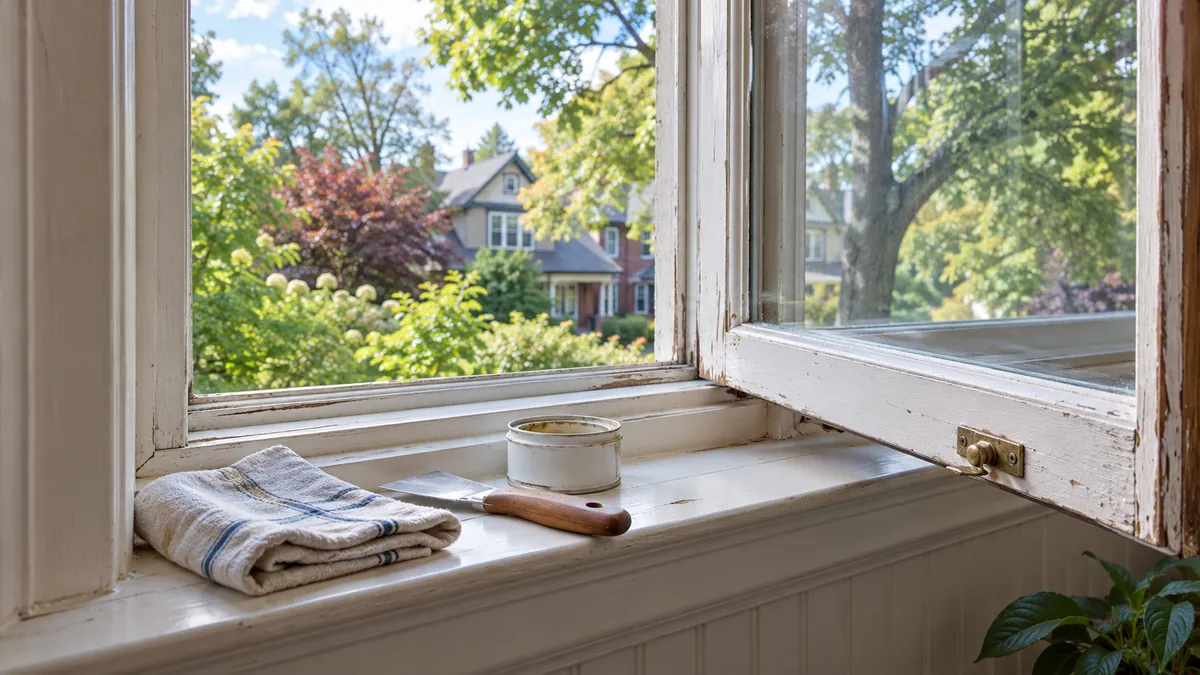
Most common window repairs in Canada cost somewhere between $150 and $700 in 2026 planning terms, depending on the part, the window type and access. A simple hardware adjustment or weatherstrip replacement sits at the low end. A sealed unit, glass replacement or frame repair costs more. A full window replacement is a separate decision.
These are planning ranges, not quotes or guarantees. The right repair depends on the cause, the window design, the condition of the frame and whether replacement parts are available. Use this guide to understand the likely order of magnitude, then confirm the scope with an inspection and a written estimate.
How to Read These 2026 Ranges
A repair price is really a price for a diagnosis plus a fix. Two jobs that sound identical can differ because one is a five-minute adjustment and the other is a failed part that must be ordered, removed and refitted.
When you compare a number in this guide with a contractor's price, check:
- The cause: is the quote treating the symptom or the underlying problem?
- The part: is it a stock item, a special order or a salvaged component?
- The scope: does it include removal, refitting, sealing and finishing?
- Access: is the window reachable, or does it need a ladder, scaffold or furniture moved?
- The frame: is the quote assuming the frame is sound, and what happens if it is not?
A repair quote should be specific enough that you can tell what is included. If it is not, ask for the detail before booking.
Common Repair Ranges
For a fogged sealed unit, first distinguish a failed seal from surface moisture; the foggy window guide explains what to look for.
| Repair | Typical range | Notes |
|---|---|---|
| Service call and adjustment | $100 to $250 | Often credited toward larger work |
| Weatherstripping replacement | $150 to $350 | Depends on window size and type |
| Lock, handle or crank replacement | $150 to $400 | Part availability affects the price |
| Roller or track repair on a slider | $150 to $450 | May include realignment |
| Glass replacement, single pane | $200 to $600 | Size and glass type matter |
| Sealed unit replacement | $250 to $700+ | Frame must be sound |
| Sash or hinge repair | $250 to $700 | More involved on older windows |
| Frame or sill repair | $300 to $1,000+ | Depends on the extent of damage |
These ranges assume reasonable access and a repairable window. A window on an upper floor, behind heavy furniture or with damaged trim can cost more. So can a repair that requires removing and reinstalling interior finishes.
What a Service Call Usually Covers
A diagnostic visit typically includes:
- Inspection of the window, hardware and frame.
- Operation checks: opening, closing, locking and sealing.
- A description of the likely cause.
- A recommendation: adjust, repair or replace.
- A written or verbal price for the recommended work.
Some companies charge a call-out fee and credit it toward the repair; others include the visit in the job price. Ask which model applies before booking, especially if you are gathering several opinions.
Matching the Symptom to the Likely Repair
The symptom you notice is a starting point, not a diagnosis. This table shows how common complaints usually map to repair scope.
| What you notice | Likely area | Typical scope |
|---|---|---|
| Window will not latch | Lock, keeper or alignment | Adjustment or hardware replacement |
| Crank turns but sash does not move | Operator or hinge | Operator or hinge repair |
| Slider drags or jumps the track | Rollers, track or sash | Cleaning, roller replacement or realignment |
| Draft on windy days | Weatherstrip, seal or sash fit | Weatherstripping or seal repair |
| Fog or droplets between panes | Sealed unit | Sealed unit replacement |
| Cracked pane | Glass only | Glass replacement |
| Water stain on the sill | Flashing, seal or frame | Diagnosis first, then repair |
| Sash will not stay up | Balance or hinge | Balance or hinge repair |
| Frame feels soft | Rot or water damage | Frame repair or replacement |
Two windows with the same complaint can need different work. That is why a price should follow an inspection rather than a phone description.
What Affects the Price
The Cause, Not Just the Symptom
A window that will not close may need an adjustment, new hardware or a frame repair. The visible symptom does not tell you the full scope. A proper assessment should identify the cause before the price is fixed. This is the single biggest reason two quotes for "a sticky window" can differ by hundreds of dollars.
Window Type
Sliders, casements, awnings, double-hungs and fixed windows use different hardware and glass systems. Parts for older or imported windows may be harder to source, which can increase the cost or make a repair impractical. See the casement window, awning window and slider window pages for how each design operates.
Glass and Sealed Units
A single cracked pane is usually less expensive than a failed sealed unit with specialty glass. Low-e coatings, laminated glass, tempered glass and custom sizes cost more. If the frame is sound, replacing the sealed unit can still be less expensive than a new window.
Frame Condition
A repair on a sound frame is straightforward. Soft wood, cracked vinyl, corrosion or a frame that is out of square may require more work. In some cases, repairing the frame is not economic, and replacement becomes the better option.
Access and Finishing
Interior trim, exterior siding, landscaping and height all affect labour. Ask whether the quote includes putting the trim and finish back, because a repair that leaves an unfinished opening is not complete.
Regional Variation Across Canada
Repair pricing varies less dramatically than replacement pricing, but it still moves with local labour rates, travel distances and parts availability.
- Atlantic Canada often has moderate labour rates, but older housing stock and coastal moisture can mean more frame and sill repairs. Salt air can accelerate hardware corrosion.
- Quebec and Ontario have competitive urban markets and a wide range of suppliers, though heritage windows and custom parts can carry a premium.
- The Prairies combine cold winters with dry air and seasonal movement, which can affect seals, weatherstripping and frame alignment.
- British Columbia has higher labour rates in some regions, plus coastal rain that makes water management and flashing repairs more important.
- Remote and northern communities face travel and shipping costs that can exceed the part cost itself.
Local quotes are more useful than a national average. A repair that is routine in a city may be a special order in a smaller community.
Window Types and Repair Implications
| Window type | Common repairs | What drives cost |
|---|---|---|
| Slider | Rollers, tracks, latches, glass | Track condition and sash alignment |
| Casement | Crank, hinge, seal, glass | Operator mechanism and hinge access |
| Awning | Crank, hinge, seal | Hardware access and exterior clearance |
| Double-hung | Balances, sash, lock, weatherstrip | Number of sashes and internal access |
| Fixed or picture | Glass, seal, frame | Glass size and lifting equipment |
| Bay or bow | Seals, glass, frame, support | Multiple units and exterior access |
| Older or imported | Custom parts, frame repair | Part availability and lead time |
A repair is usually simplest when the window is a common design with available parts. A rare or discontinued window may need a custom part, which can cost more than the repair itself.
Glass and Sealed Unit Options
If the glass is the problem, the options are not all equal.
- Single-pane replacement is the cheapest glass repair, but it may not match the performance of the other windows.
- Sealed unit replacement restores the insulating gap and is usually the right fix for fog between the panes when the frame is sound.
- Low-e or coated glass costs more but can improve comfort and match adjacent units.
- Laminated or tempered glass may be required in some locations or preferred for safety and noise.
- Custom or oversized glass carries a longer lead time and a higher price.
Ask whether the replacement unit will match the visible glass and performance of the surrounding windows. A mismatched pane can look out of place and behave differently in heat and cold.
Repair Scope: Component, Sash, Frame or Replacement
If the frame or several components are failing, compare the scope with window replacement costs before choosing a repair.
It helps to think of window work as a ladder of scope:
| Scope | What is involved | Typical use |
|---|---|---|
| Component repair | A lock, crank, roller, hinge or weatherstrip | Isolated wear on a sound window |
| Glass or sealed unit | Replacing the glazing while keeping the sash | Failed seal or cracked pane |
| Sash repair or replacement | Refitting or replacing the moving section | Damaged sash, failed hinges or balances |
| Frame repair | Repairing or rebuilding the frame and sill | Localized rot or impact damage |
| Insert replacement | A new window inside the existing frame | Widespread failure with a sound outer frame |
| Full-frame replacement | Removing the frame and renewing the opening | Frame failure, water damage or layout changes |
Each step up the ladder costs more and addresses more of the window. The right level depends on what has actually failed. A contractor who recommends a full-frame replacement for a worn lock is overselling; one who recommends a lock replacement for a rotted sill is underselling.
Quote Line Items to Insist On
Ask for a written quote that separates:
- Diagnosis or service call.
- Parts, with brand or specification where possible.
- Labour and estimated time on site.
- Removal and disposal of old parts or glass.
- Sealing, insulation and finishing.
- Any trim or siding work.
- Warranty on parts and labour.
- What happens if more damage is found.
- Whether the price includes taxes.
A lump sum is fine for a small job, but it should still state the scope. For anything involving a frame or a sealed unit, itemization helps you compare fairly.
Hidden Damage and Contingency
Repairs often reveal more than expected. Removing a sash can expose a rotted sill; replacing a sealed unit can show a bent frame; fixing a leak can uncover failed flashing.
Ask:
- How will you handle damage found after the work starts?
- Is there a fixed allowance, an hourly rate or a new quote?
- Will you get approval before proceeding?
- Is the surrounding structure safe if the frame is compromised?
A contingency of roughly 10 to 15 percent is a sensible planning buffer for older windows. The contractor should explain the process rather than simply promise that "it will be fine."
Warranties
Warranty coverage varies by part and by contractor:
| Item | What to check |
|---|---|
| Hardware | Length, exclusion for wear and misuse |
| Sealed unit | Duration, labour coverage, claim process |
| Labour | How long the workmanship is guaranteed |
| Frame repair | Whether the repair is guaranteed against recurrence |
Get the warranty in writing and keep it with the invoice. Ask whether the warranty transfers if you sell the home, and whether it requires specific maintenance.
Red Flags
Be cautious when:
- The price is given before anyone inspects the window.
- The contractor cannot explain the likely cause.
- The quote is verbal only.
- Parts are described vaguely or not at all.
- The company demands full payment upfront.
- The warranty is mentioned but not provided.
- The repair is described as permanent without inspection.
- The contractor recommends replacement without checking the frame.
- The schedule is vague and no written confirmation is offered.
A good repair starts with a clear diagnosis. Pressure and vagueness are reasons to get another opinion.
Budgeting for Repairs
Repair budgets are easier to manage when you separate urgent work from optional work:
- List every window with a problem and note the symptom.
- Identify which problems are safety, water or security issues.
- Group the rest by likely cause: hardware, glass, seal or frame.
- Get a diagnosis and a written price for the priority items.
- Set aside a contingency for hidden damage.
- Decide whether to repair now, repair in stages or replace.
- Keep receipts and warranty documents together.
A small repair today can prevent a much larger frame or wall repair later. Water damage, in particular, rarely improves on its own.
Phasing Repairs
If several windows need attention, you do not have to do everything at once. A sensible order is:
- Windows that leak, let in water or will not lock.
- Windows in bedrooms and living spaces where comfort matters.
- Windows with failed seals that affect visibility or insulation.
- Cosmetic or convenience items last.
Phasing can spread the cost and let you learn from the first repair. Ask whether the contractor offers a lower price for several windows in one visit, since travel and setup are shared.
Financing and Payment
Most repairs are paid on completion, but larger jobs may involve a deposit. Common arrangements include:
- Payment on completion for small repairs.
- A deposit for special-order parts, with the balance on completion.
- A staged payment schedule for multi-window work.
- A credit card or short-term installment plan for larger repairs.
Avoid paying the full amount before the work is done, and confirm what happens if a special-order part is delayed or does not fit. Keep the payment schedule in the written quote.
Seasonal Timing
Repairs can usually be done year-round, but timing matters:
- Spring and autumn are comfortable for exterior work and sealing.
- Summer is busy, so book ahead for non-urgent repairs.
- Winter is fine for interior hardware and glass work, but exterior sealing may be limited by temperature.
- Storm season can create backlogs, so report damage promptly.
If a window is leaking, do not wait for better weather. Temporary protection and a prompt assessment can prevent wall damage. Booking non-urgent repairs before the busy storm season also tends to mean shorter waits and more scheduling choice, since crews are less stretched than they are after a major weather event.
What to Photograph
Photos help a contractor diagnose the problem before visiting:
- The whole window from inside and outside.
- The specific problem area, close up.
- The frame corners, sill and trim.
- Any fog, condensation, cracks or water stains.
- The hardware, lock or crank.
- The surrounding wall and floor for signs of water.
- A tape measure for scale.
Describe when the problem happens: always, only in wind, only in cold weather, or only when the window is operated. That context often narrows the cause quickly.
Cheap Repairs That Can Cost More Later
Be cautious with:
- Sealing a window shut to stop a draft.
- Covering weatherstripping or moving parts with sealant.
- Drilling new lock holes without fixing alignment.
- Replacing a sealed unit without checking the frame.
- Using exterior caulk to cover wet or rotted wood.
- Forcing a sash that has dropped.
- Ignoring a small leak because it only appears in heavy rain.
These shortcuts can hide the cause, damage the window or create a safety issue. A repair should restore function, not just hide the symptom.
Repair or Replace?
Use these questions:
- Is the frame solid and square?
- Is the problem limited to one part or one pane?
- Is the window relatively modern and supported by available parts?
- Is the repair cost well below a new window?
- Will the repaired window still perform acceptably?
If the answer to most of these is yes, repair is often the sensible choice. If the frame is failing, several components are worn or the repair is close to replacement cost, compare the remaining life of the window before proceeding.
See window repair vs replacement for a fuller comparison.
When to Replace Instead
Replacement is worth considering when:
- The frame is rotted, cracked or out of square.
- Several windows in the same area have failed.
- The window is old and parts are unavailable.
- Water is entering the wall.
- The repair cost is a large share of a new window.
- You want better comfort, security or a different style.
Frequently Asked Questions
How much does a window repair cost in Canada in 2026?
Most common repairs fall between $150 and $700. A simple adjustment or weatherstrip replacement is at the low end, while a sealed unit or frame repair costs more. Access, window type and part availability can push the price higher.
Is it cheaper to repair or replace a window?
It depends on the frame. If the frame is sound and the problem is a single part or pane, repair is usually cheaper. If the frame is failing or several components are worn, replacement can be the better long-term value.
How long does a window repair take?
Many repairs are completed in under an hour to a few hours. Special-order parts, frame work or multiple windows can take longer. Ask for an estimated time when you book, and confirm whether the window will be fully weather-tight the same day.
Can foggy windows be repaired?
Yes, if the frame is sound. A failed sealed unit can often be replaced without replacing the whole window. The foggy pane guide explains how to tell a failed seal from surface condensation.
Why is my window hard to open or close?
Common causes include a worn roller or hinge, a swollen frame, debris in the track or a sash that is out of alignment. The fix depends on the cause, so an inspection is more useful than guessing.
Should I repair a window with a rotted frame?
Small, localized rot may be repairable, but widespread rot or soft framing often points to replacement or a more involved repair. Water source and surrounding damage should be assessed first.
Do window repairs come with a warranty?
Usually the parts and the workmanship carry some warranty, but the terms vary. Ask for the warranty in writing, including duration and what is excluded.
Can I repair just one window in a set?
Yes. It is common to repair or replace one failed unit while leaving the others. Matching the glass and appearance is the main consideration, and on an older set the new pane may look slightly different from the rest even when the specification is close.
Get an Assessment
A repair quote should be based on the actual window, not a guess.
Windoorly can assess the window and explain whether repair or replacement is practical.
Send photos of the window, the problem area and the surrounding trim, and tell us what the window is doing.